The palace’s location
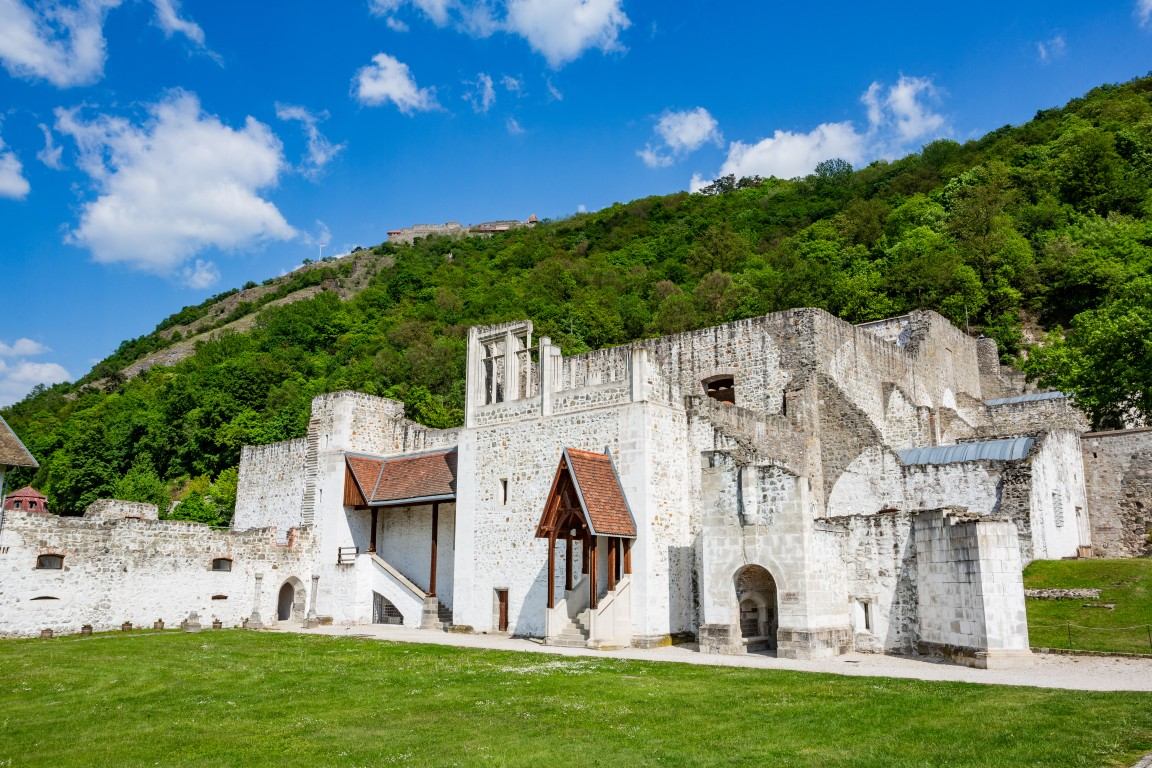
The Royal Palace at Visegrád is situated close to the banks of the Danube, at the foot of the hills – the very spot where, as seen from the Upper Castle, the daily life of the royal court once unfolded. Whilst the fortress on the hilltop provided protection, it was down here that the visible and representative face of power took shape.
The construction of the palace – Gothic and Renaissance
Construction of the palace was begun in the 14th century by King Louis the Great, and it came to prominence during the reign of Sigismund of Luxembourg. By this time, it was no longer merely a royal residence, but a court centre of outstanding importance even by European standards. The size, layout and ornamentation of this Gothic complex served as an important example of the representational power of the rulers of that era.
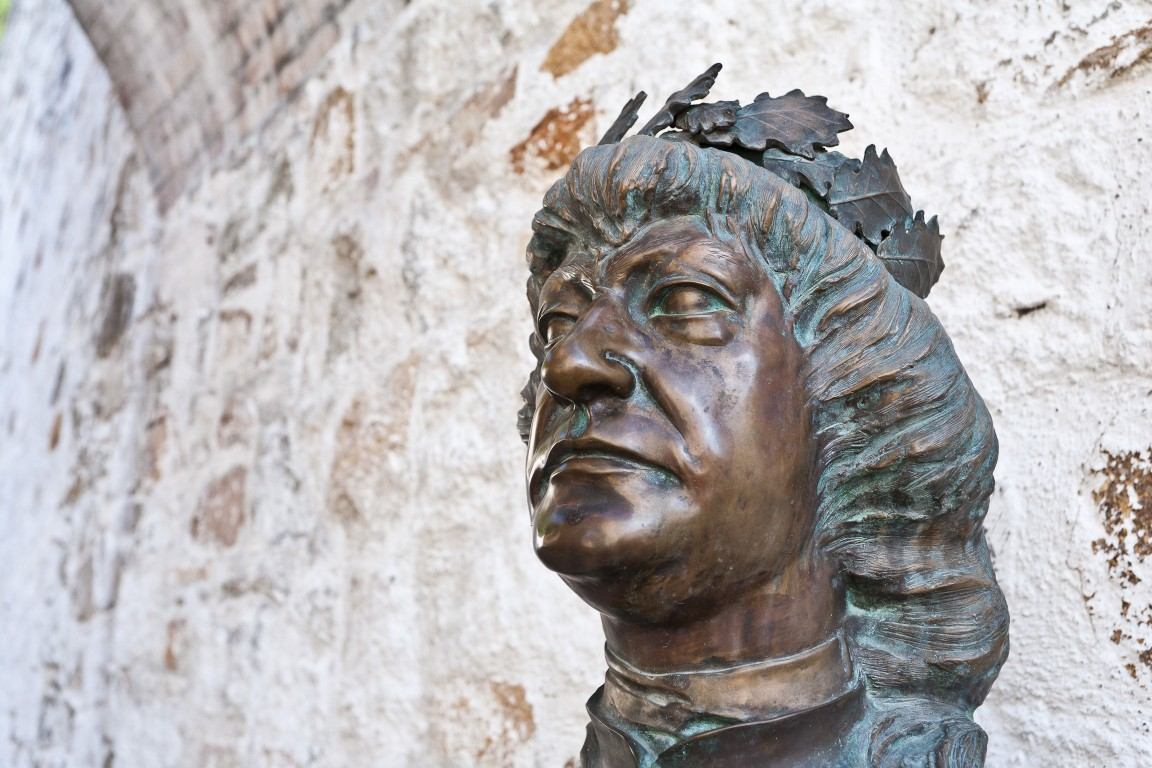
Following Sigismund’s death, the palace’s importance declined, but it gained new momentum during the reign of King Matthias. When his wife, Queen Beatrix, was granted Visegrád as her royal estate, the palace once again became the centre of court life. It was at this time that masters arriving from Italy introduced Renaissance architectural styles, giving the complex a new look.
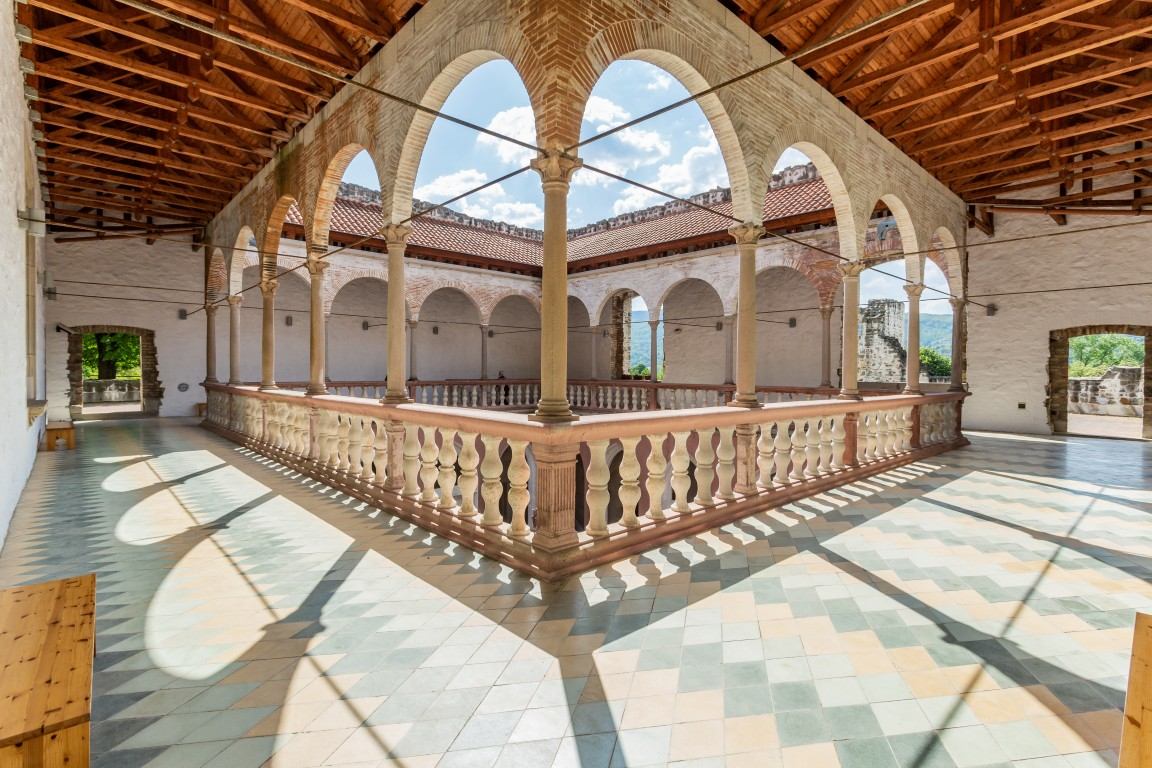
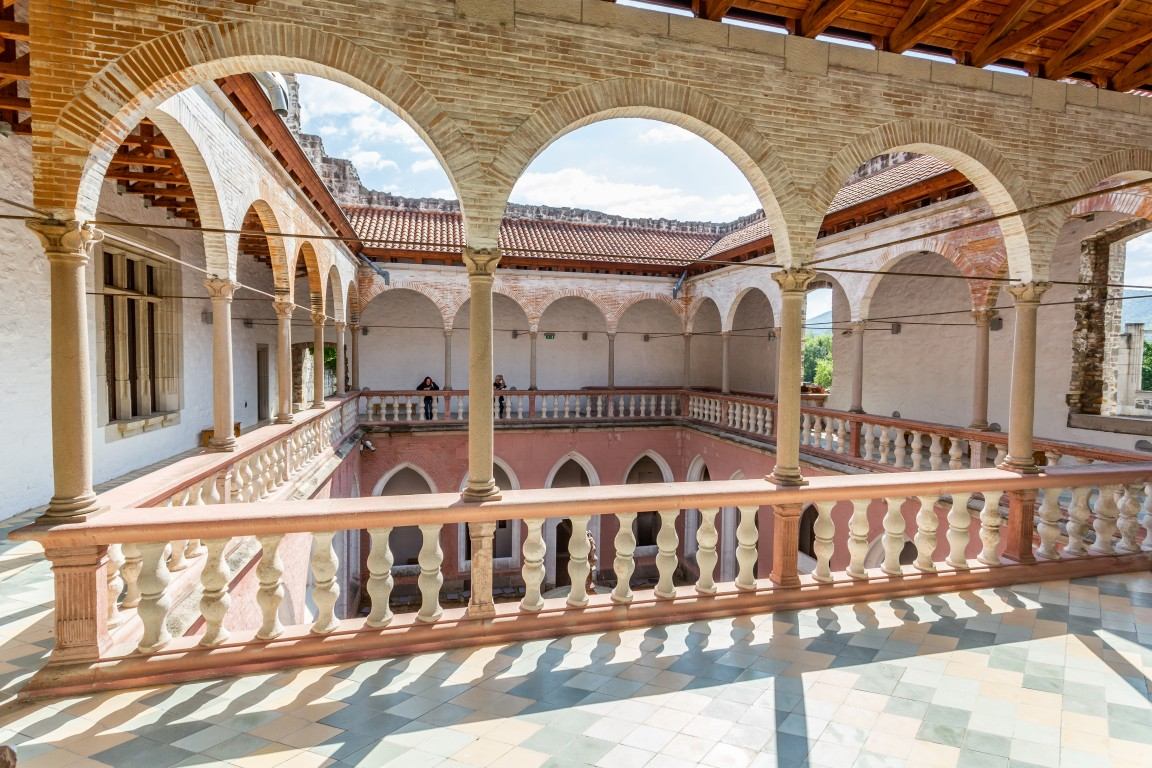
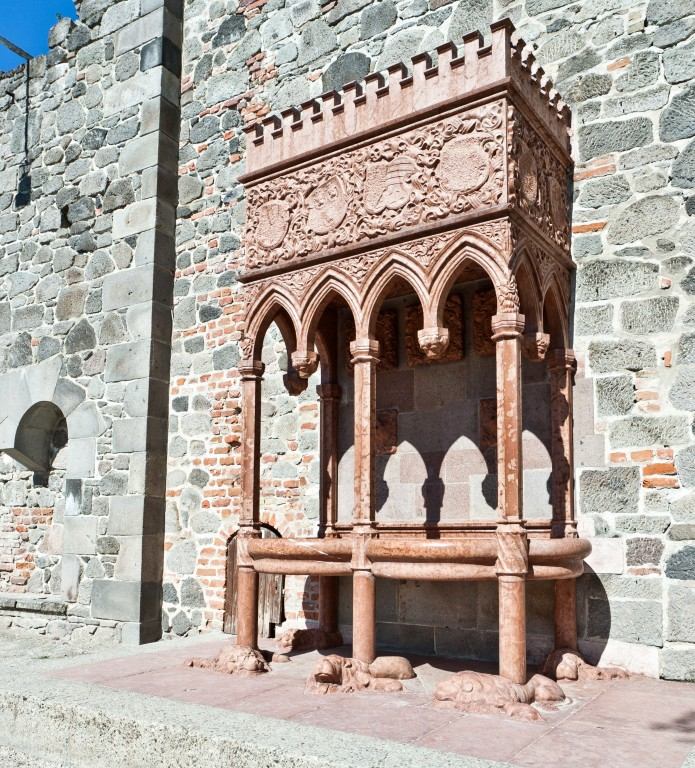
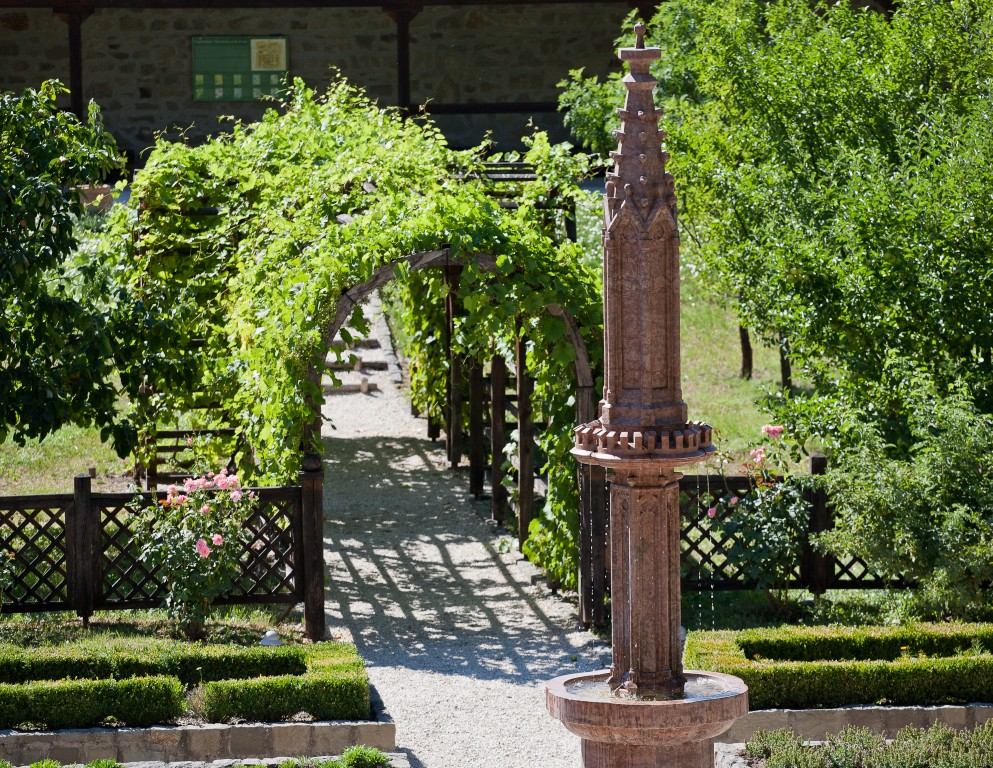
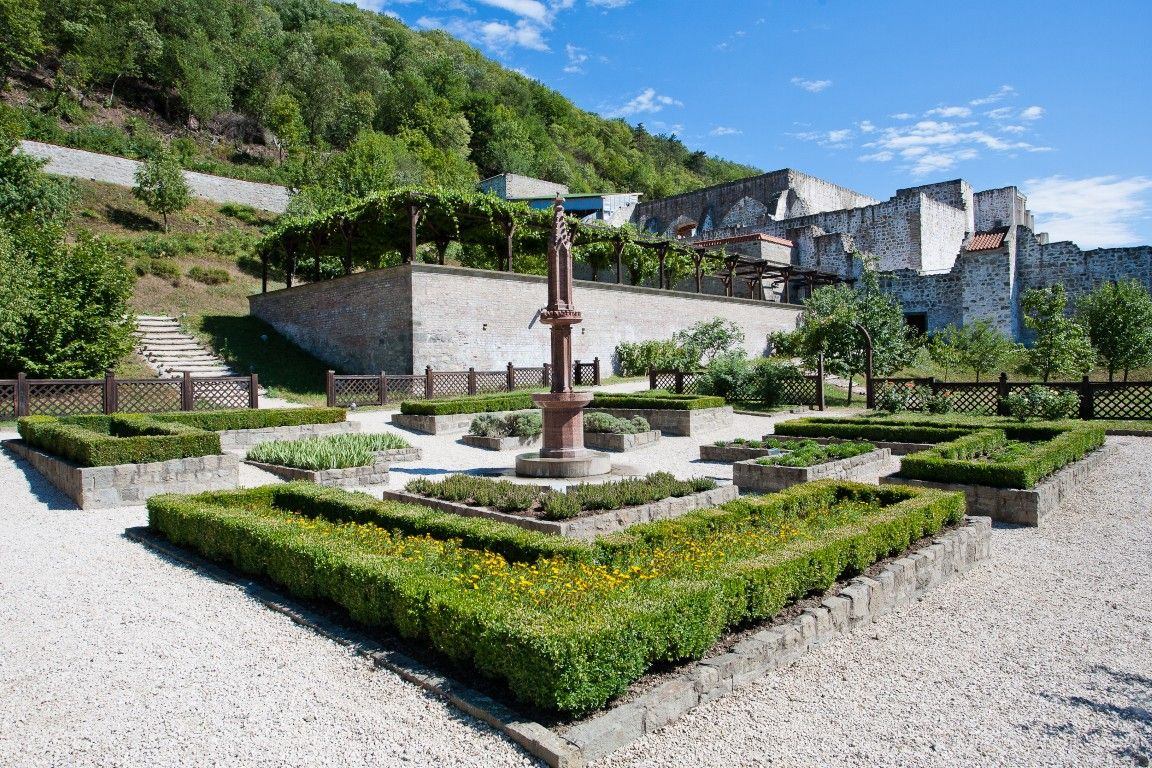
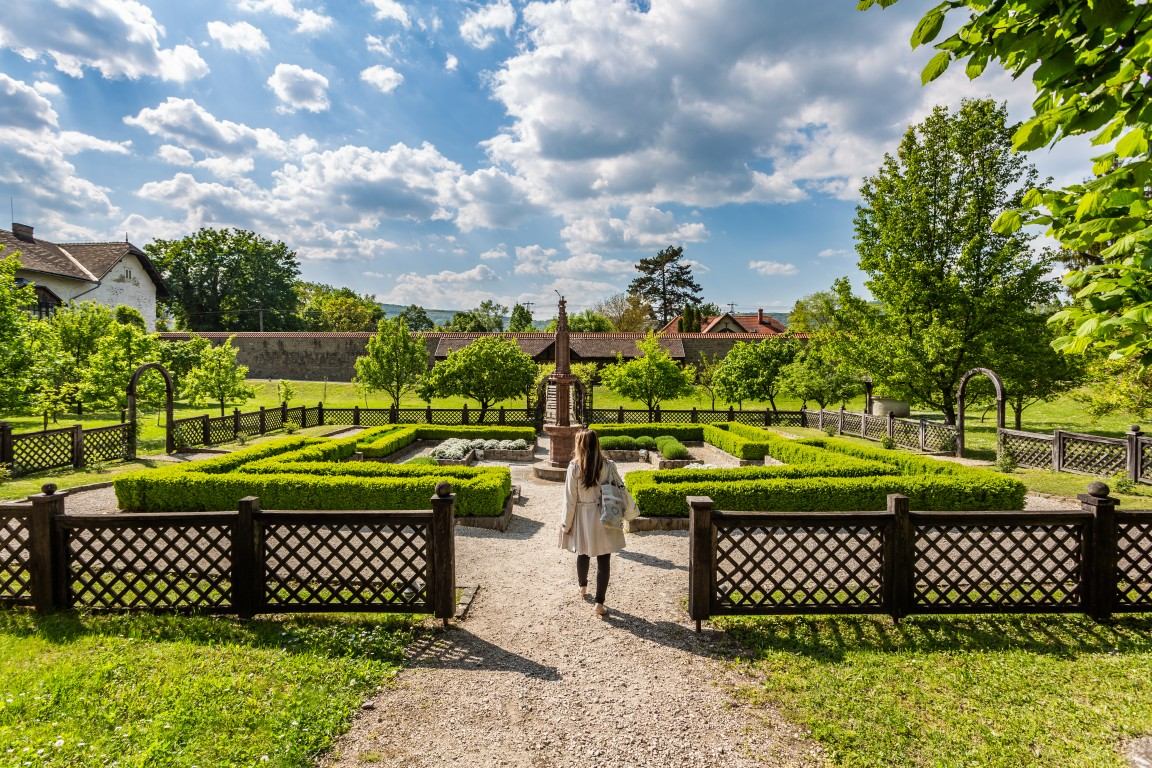
It was during this period that the palace’s most distinctive features were created: the Hercules Fountain and the Lion Fountain, the upper-storey loggia, and the ornamental gardens, including the Renaissance herb garden punctuated by pergolas. By this time, the palace was not only a centre of power but also a hub of learning and culture, closely linked to contemporary European court life. A Franciscan monastery operated in its immediate vicinity, further reinforcing the site’s intellectual and religious significance.
The Royal Palace today
During the Ottoman period, the palace’s fate was sealed. The settlement was abandoned, the buildings began to fall into ruin, and then the retreating Ottoman troops blew up the palace. The ruins of the former royal centre disappeared for centuries: by the mid-19th century, there was hardly any trace of them left on the surface.
However, the palace’s history did not end there. In 1935, the remains of the building complex were uncovered during archaeological excavations led by János Schulek, and it was on the basis of these findings that the structure of the former residence gradually came to light. Its current appearance is the result of restoration work begun in the second half of the 20th century, followed by reconstruction work completed in 2000.
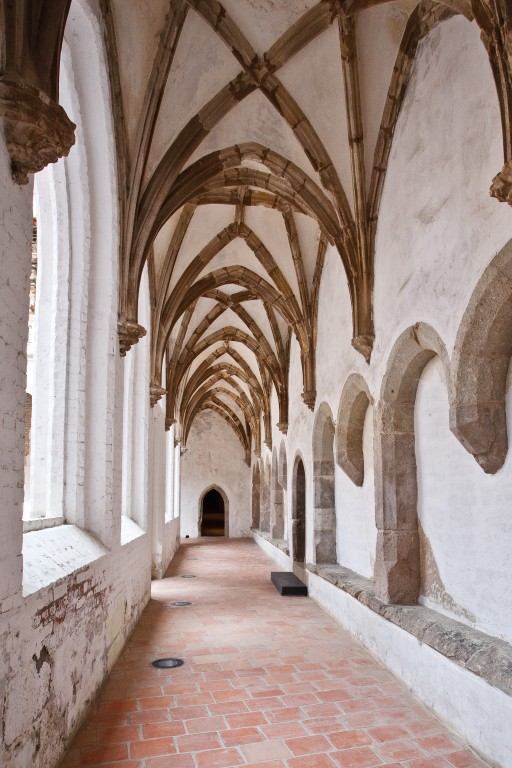
Anyone entering the palace grounds today should not expect to find an untouched historic building. The spaces are partly reconstructed and partly excavated ruins – yet one can still get a good sense of how a medieval royal court functioned. The combination of courtyards, corridors, wells and garden features conveys an atmosphere and a sense of structure rather than a complete picture.
The Royal Palace at Visegrád was thus not merely a former residence, but a place where the royal presence was felt: where decisions were made, where power was displayed, and where the medieval Kingdom of Hungary connected with European cultural currents. Today, visitors can follow the traces of this multifaceted role, step by step.
Vezetett izgalmas Királyi Palota látogatás rendelhető ITT !
Services
- Stone collection from the Anjou period
- The History of the Royal Palace at Visegrád
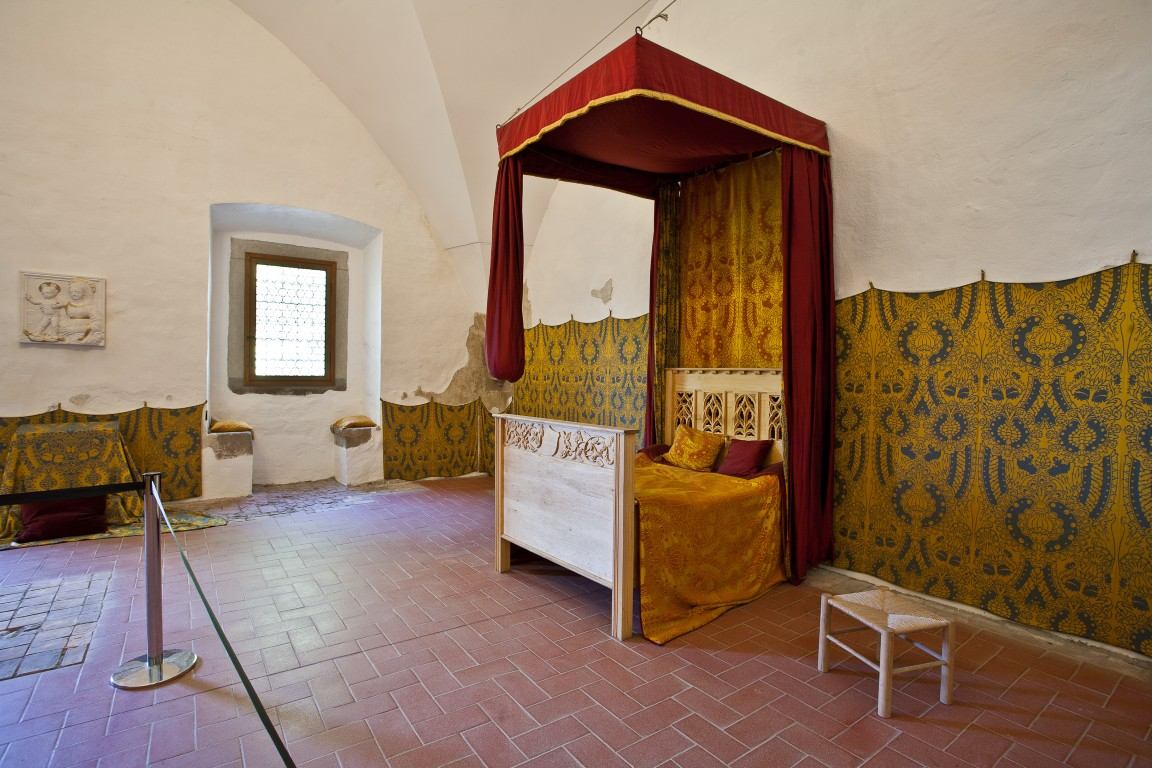
- A room from the Sigismund era
Prices
Felnőtt: 2.200 Ft
Diák (6-26 év)/Nyugdíjas (62-70 év): 1.100 Ft
6 év alatt/70 év felett: ingyenes
Március 15-én, augusztus 20-án és október 23-án a nemzeti ünnepre való tekintettel a királyi palota kiállításainak megtekintése mindenki számára ingyenes.
Minden hónap 3. szombatján családok részére a belépőjegy ingyenes.
Opening hours
2026. március 1 - 2026. október 31.:
Kedd - vasárnap: 09-17 óra
Hétfő: ZÁRVA*
*kivéve ünnepnapok
2026. november 1 - 2027. február 28.:
Kedd - vasárnap: 08-16 óra
Hétfő: ZÁRVA
ÜNNEPI NYITVATARTÁS:
2026. december 24.: ZÁRVA
2026. december 25.: ZÁRVA
2026. december 26.: ZÁRVA
2026. december 27.: NYITVA
2026. december 28.: ZÁRVA
2026. december 29.: NYITVA
2026. december 30.: NYITVA
2026. december 31.: ZÁRVA
2027. január 1.: ZÁRVA
2027. január 2.: NYITVA
2027. január 3.: NYITVA