The origins of the Citadel
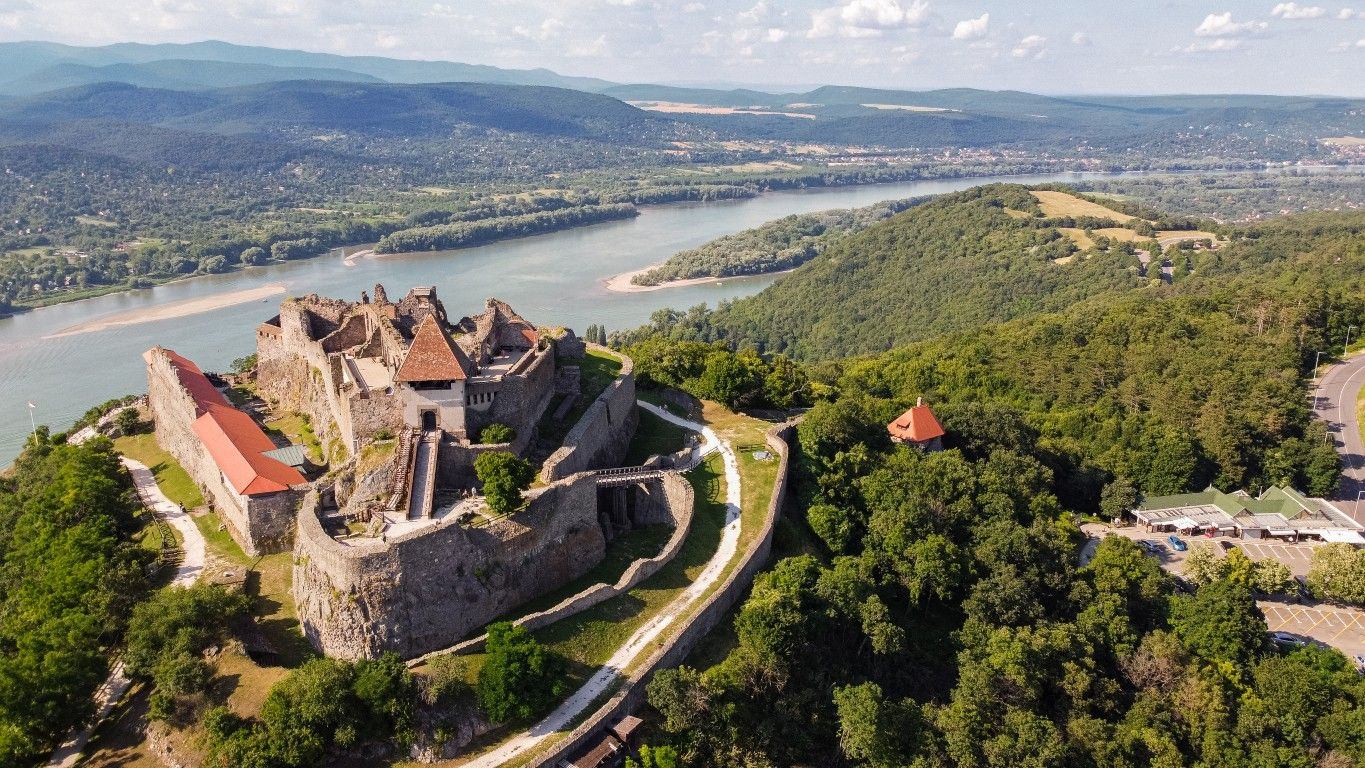
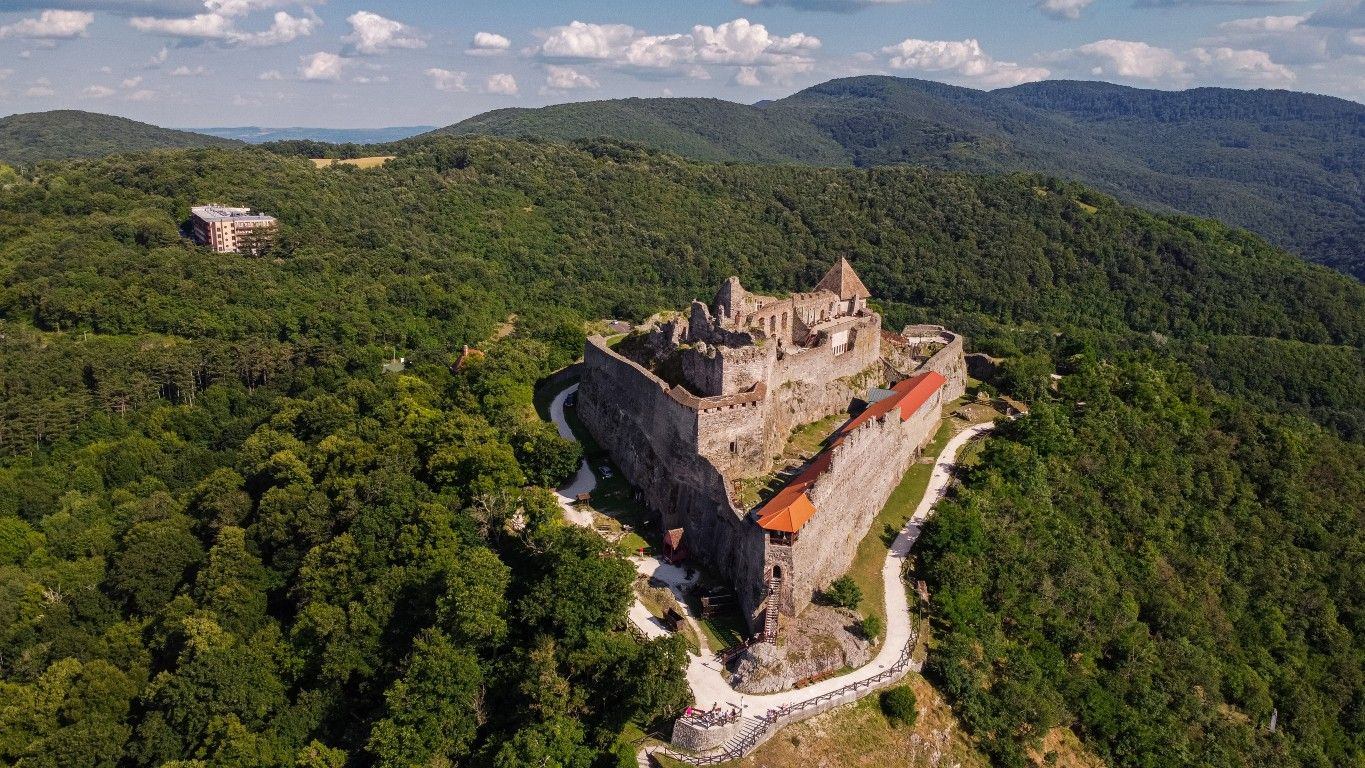
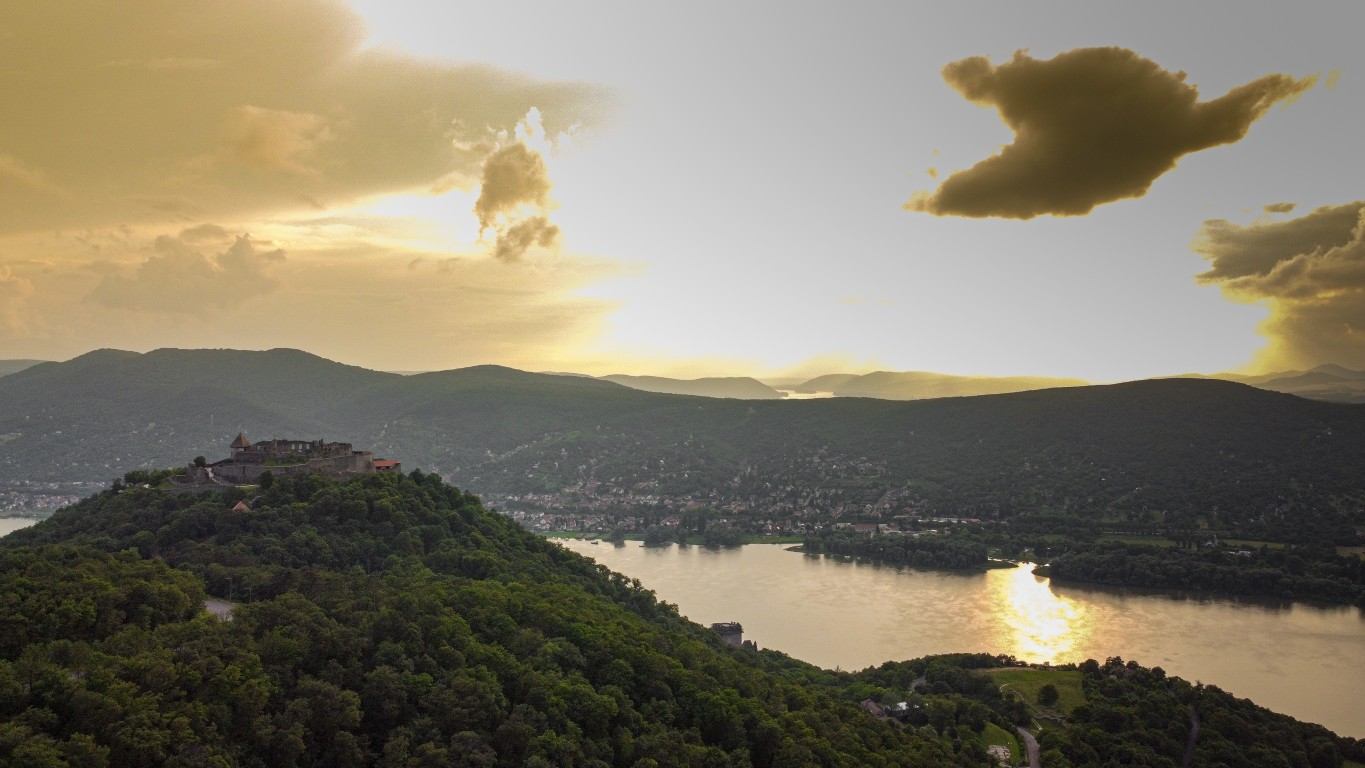
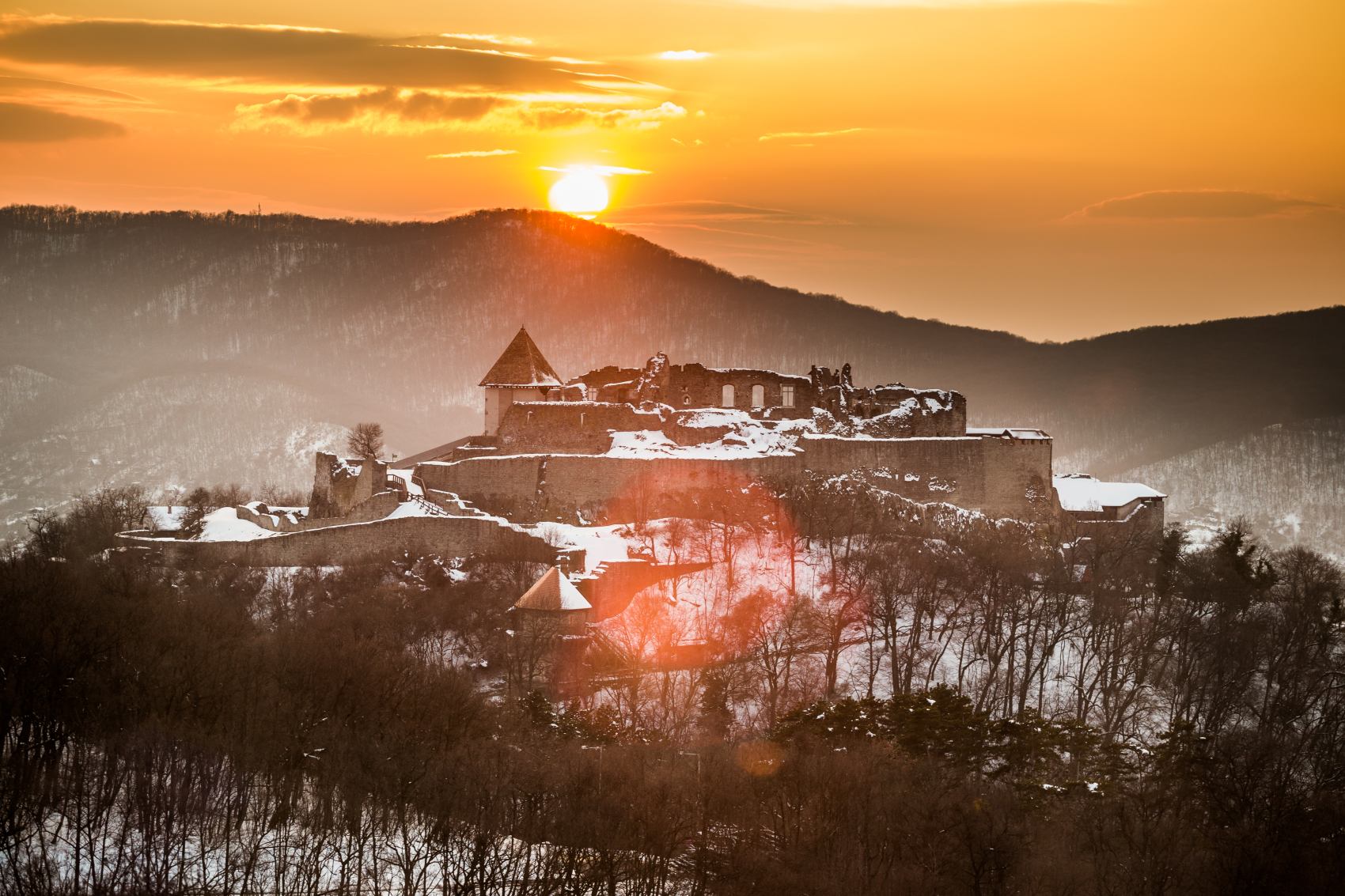
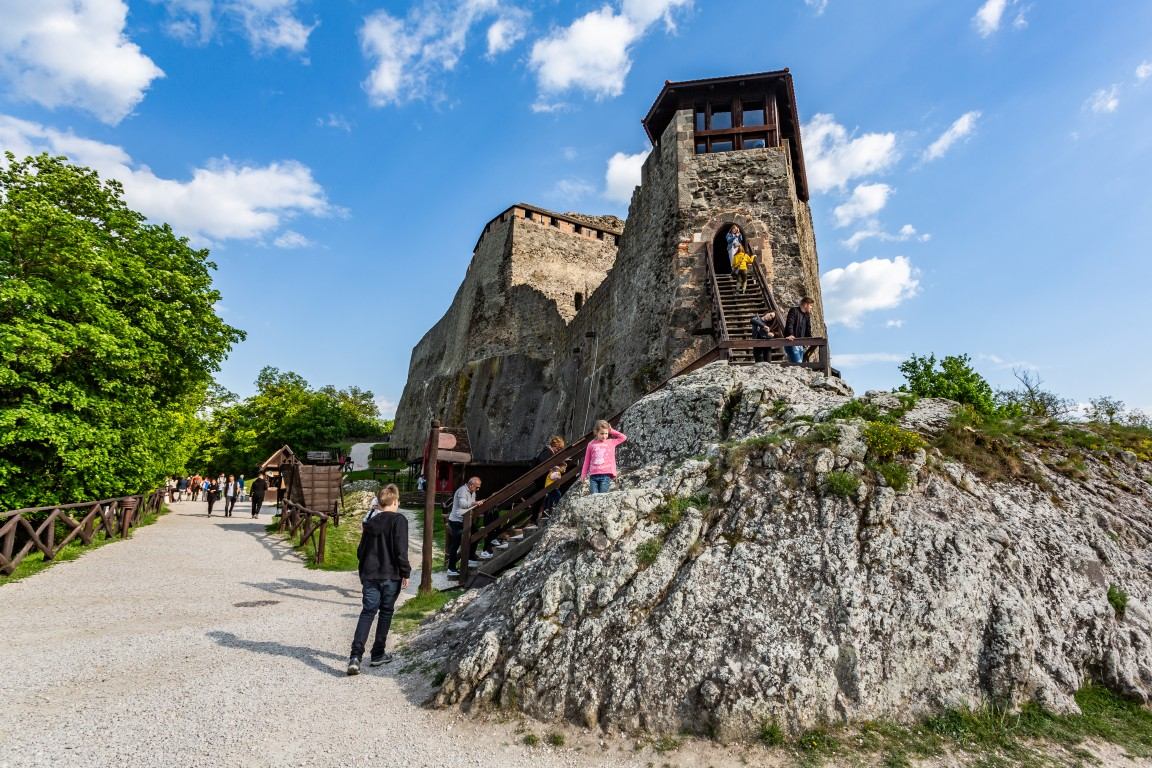
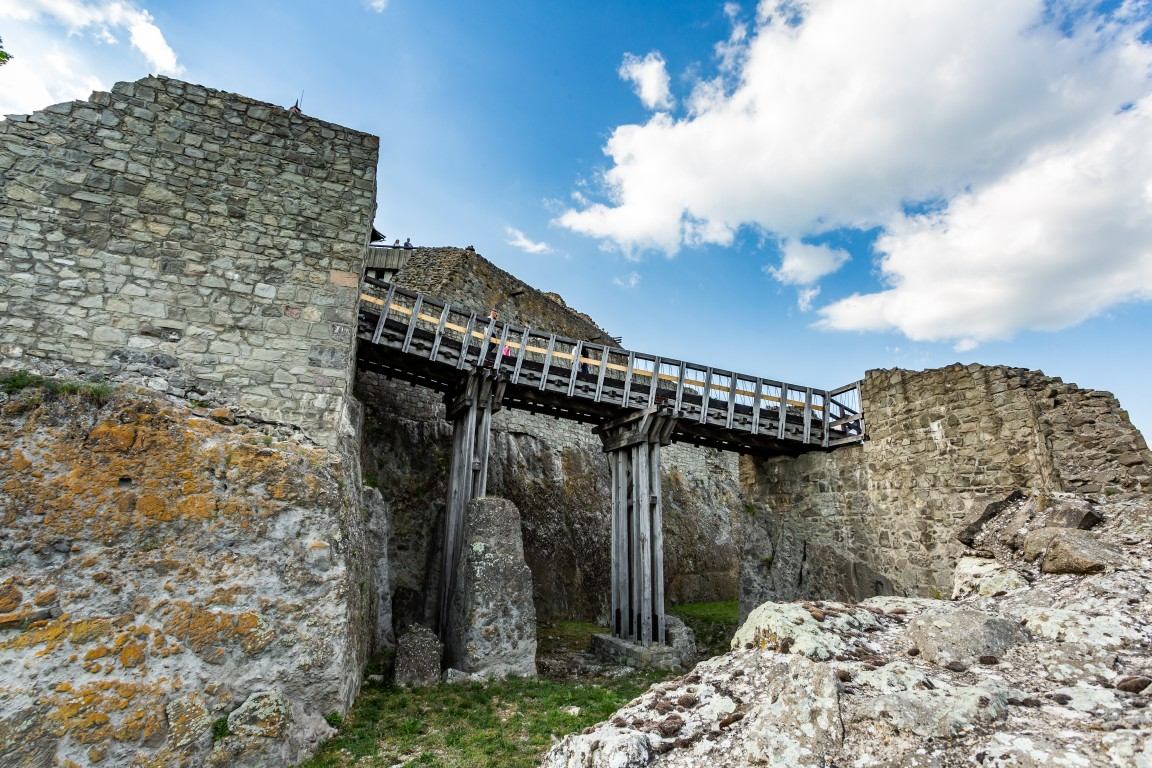
The Visegrád Upper Castle stands atop Várhegy, which rises above the Danube Bend, at the point where the river’s bend and the surrounding hills merge into a single panorama. The steep hillsides provided natural defences, upon which the stone fortress was built in the mid-13th century; it later became one of the most important bastions of royal power.
The castle was built in the years following the Tatar invasion, on the orders of King Béla IV, and served a specific purpose even at the time of its construction. It was intended not only to control the Danube Bend, but also to serve as a refuge: in the event of another attack, the Dominican nuns living on Nyulak Island and the king’s daughter, Margit, could retreat here. The Citadel was therefore not merely a military fortress, but also a kind of last resort for safety.
Royal seat
At the beginning of the 14th century, Visegrád came to play a special role. In 1323, Charles I moved his seat of government there, and the town briefly became the centre of the country. By this time, the walls of the Upper Castle no longer served merely as a defence, but also provided the backdrop for royal power.
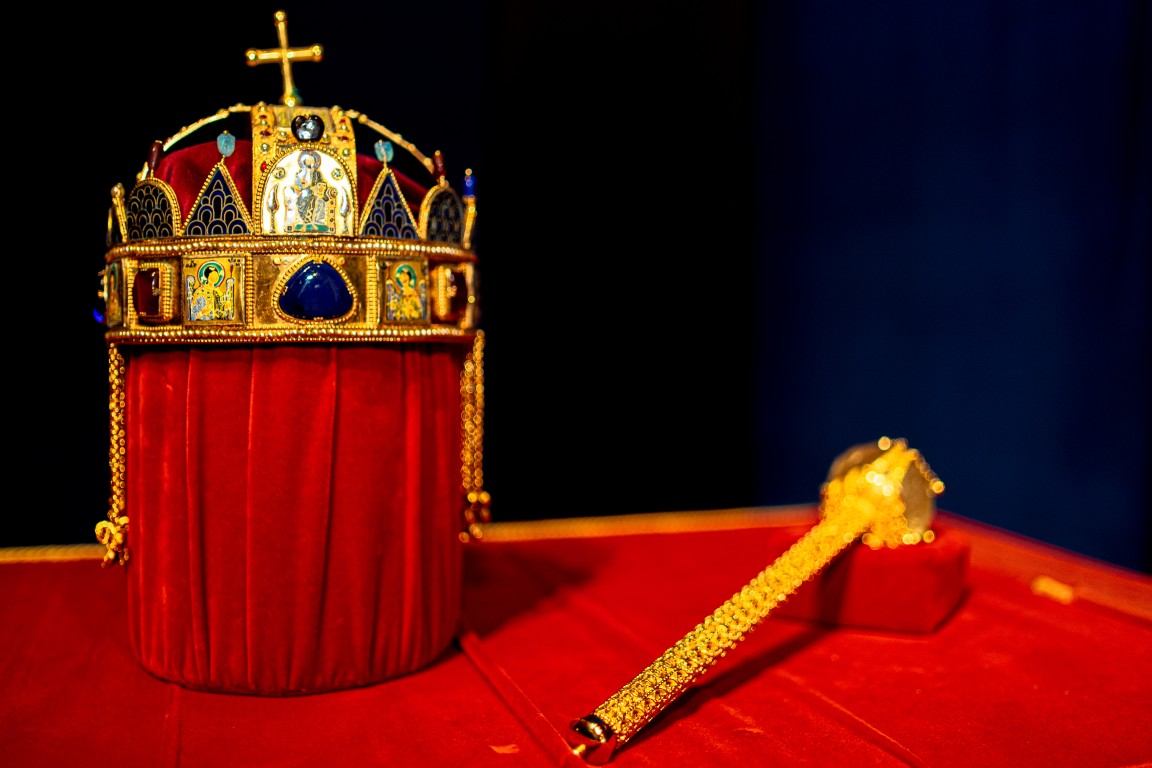
The Holy Crown was also kept here for a long time, before being removed in 1440: on the orders of Queen Elizabeth, a lady-in-waiting secretly smuggled it out of the castle and took it to Vienna. The theft of the crown caused serious political tension and clearly illustrates the significant role the castle played in the power dynamics of the era.
Visegrád Summit of Heads of State
In 1335, three monarchs – the kings of Hungary, Bohemia and Poland – met at Visegrád. According to the chronicles, several thousand guests arrived in the town and at the castle. This meeting was not only one of the most significant diplomatic events of its time, but it lives on in history to this day: the name „Visegrád Four” (V4), which signifies Central European cooperation, also refers to this event.
The Citadel today
In the centuries that followed, the castle’s importance gradually declined. The royal seat was moved to Buda; during the Ottoman period, the castle still played a military role, but eventually its walls fell into disrepair and it lay in ruins for a long time. The Upper Castle that can be seen today is the result of this decay and the subsequent excavations: it both preserves traces of the past and helps us to imagine what it once looked like.
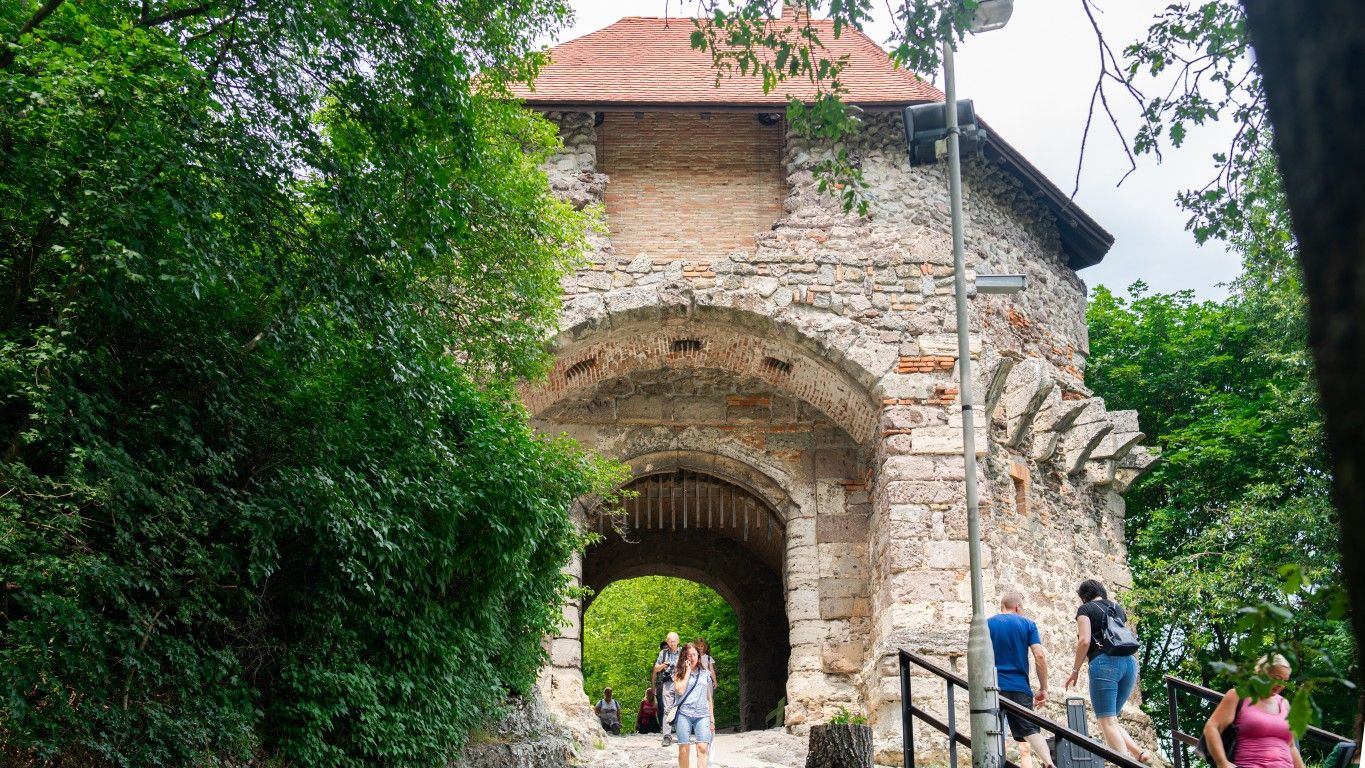
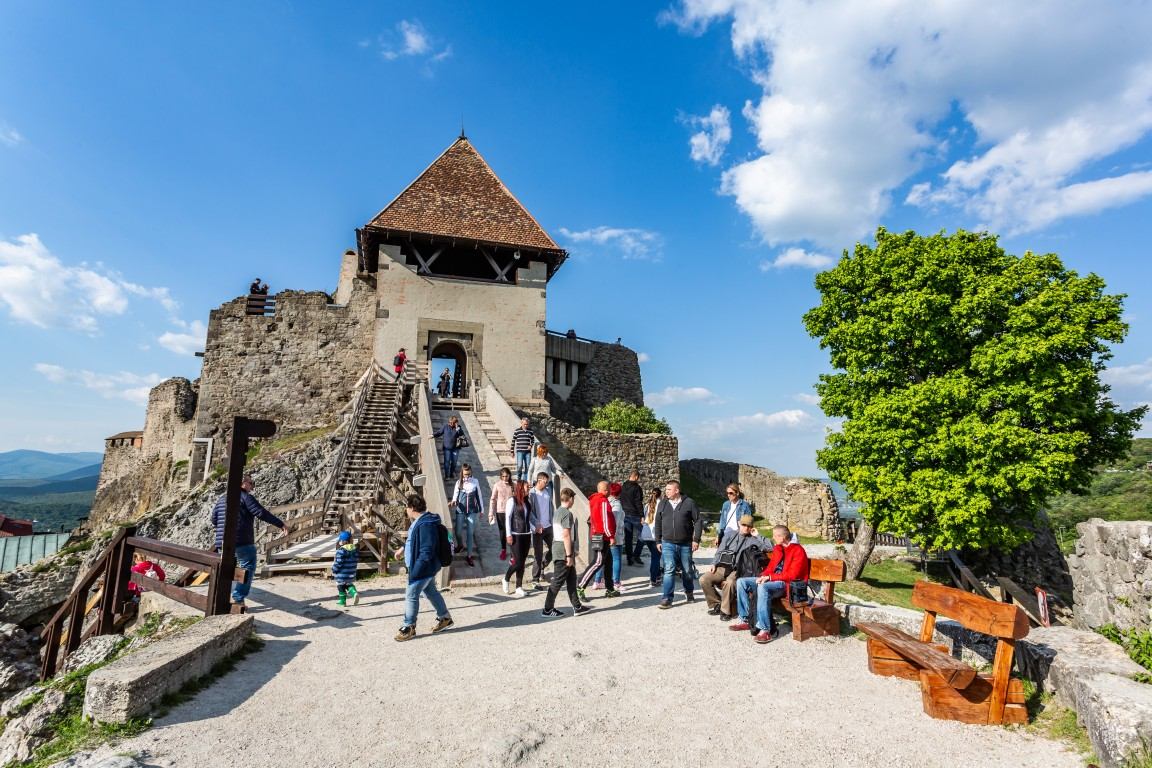
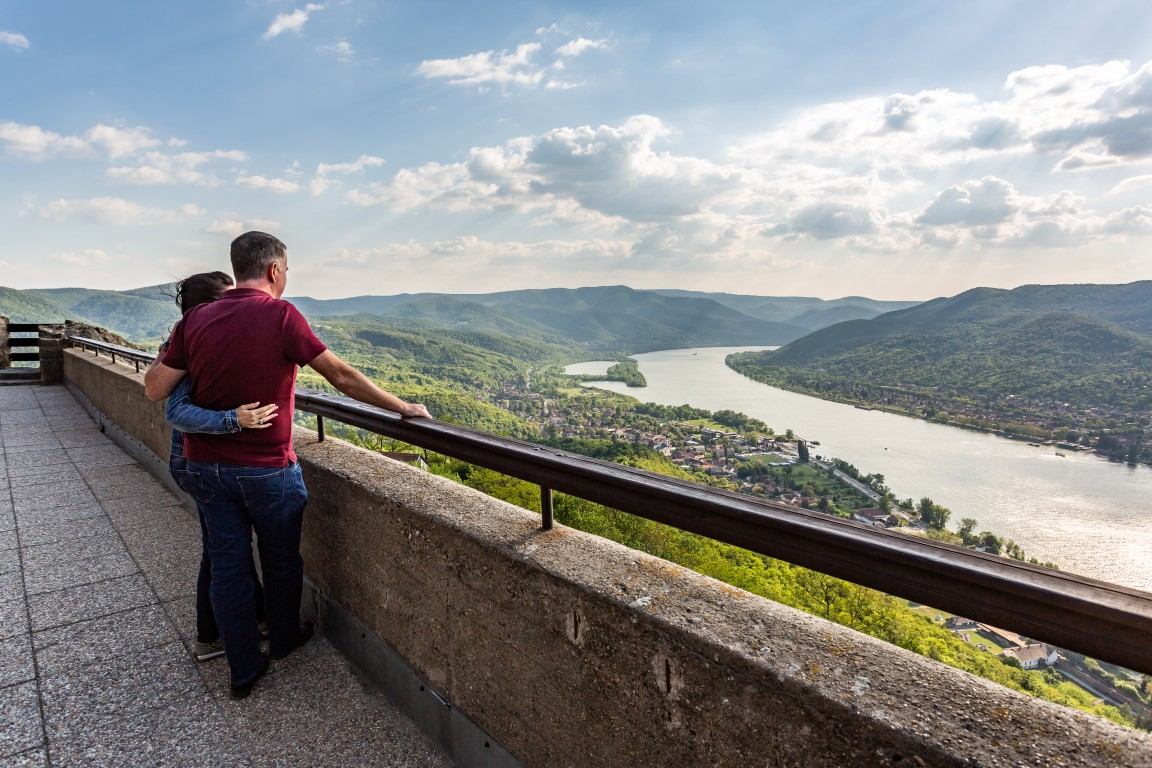
Anyone visiting the castle today should not expect to find a single, uniform structure from a single era. Rather, they will discover layers of history built upon one another: courtyards, walls and towers, each evoking a different period. As we make our way higher up, the spaces gradually open out, until finally the view of the Danube Bend unfolds from the terraces.
It is from here that the significance of the Citadel really becomes clear. The landscape was not merely a backdrop, but an integral part of the citadel’s functioning – the same view unfolds before us today that once provided a strategic advantage for medieval rulers and their guards.
The Upper Castle at Visegrád is therefore not a monument associated with just one role. It was at once a fortress, a royal refuge and a bulwark of power; later, it became the scene of historic events and the repository of the crown. Today, traces of these roles can be seen within its walls.
Vezetett izgalmas Fellegvár látogatás rendelhető ITT !
Services
- Exhibition of the Holy Crown
- Exhibition on the History of the Castle
- Panoptikum (in commemoration of the 1335 royal meeting at Visegrád)
- Exhibition on the history of medieval weapons
- Aristocratic hunting in the Middle Ages
Prices
Felnőtt: 2.800 Ft
Diák/Nyugdíjas: 1.400 Ft
6 év alatt/70 év felett: ingyenes
Március 15-én, augusztus 20-án és október 23-án a nemzeti ünnepre való tekintettel a Fellegvár kiállításainak megtekintése mindenki számára ingyenes.
Minden hónap 4. vasárnapján családok részére a belépőjegy ingyenes.
Opening hours
1–31 March 2026: every day, 9.00–17.00
1 April – 30 September 2026: every day 9.00–18.00
1 October – 26 October 2026: every day from 9.00 am to 5.00 pm
27 October – 30 November 2026: every day from 9.00 to 16.00
2026. dec. 01. - dec 23.: péntek, szombat, vasárnap 9:00-15:00
24 and 25 December 2026: CLOSED
26 December 2026 – 11 January 2027: every day from 9.00 am to 4.00 pm
12 January – 28 February 2027: Fridays, Saturdays and Sundays, 9.00–16.00