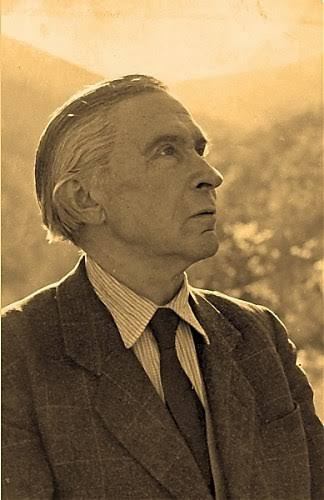


In 2022, we celebrated the 200th anniversary of József Viktorin’s birth, so last year saw a number of events and exhibitions organised to pay tribute to one of the greatest researchers of Visegrád’s history. On Friday 27 January, we will bring this jubilee year, filled with so many wonderful memories, to a close with a festive event.
The event, to which the organisers warmly welcome all those interested It starts at 16:30, the first stop will be the cemetery in Visegrád, where, by his grave, we will pay tribute to the memory of József Viktorin with a joint prayer and a moment of silence.
The book launch, which begins at 5.00 pm, will be opened by Pál Benyó, Deputy Chair of the Slovak Local Authority of Budapest.
The book is based on Viktorin’s work, published in 1872, the „Visegrád: Then and Now” A commemorative reprint of the volume on the history of science entitled [title].
With the help of József Demmel, a historian at the National University of Public Service, we can familiarise ourselves with Viktorin’s book and, through it, with the work of one of the great pioneers of Hungarian historiography, as well as with the current academic assessment of his body of work.
Count Péter, an archaeologist and historian, will then give a lecture at the same venue entitled ‘Viktorin from a Modern Perspective’, in which he will attempt to reinterpret Viktorin, explore the possibilities for examining his scholarly work in the 21st century, and assess its value.
Events starting at 5.00 pm The venue will be the King Matthias Cultural Centre in Visegrád (Visegrád, 11 Széchenyi Street).
—-
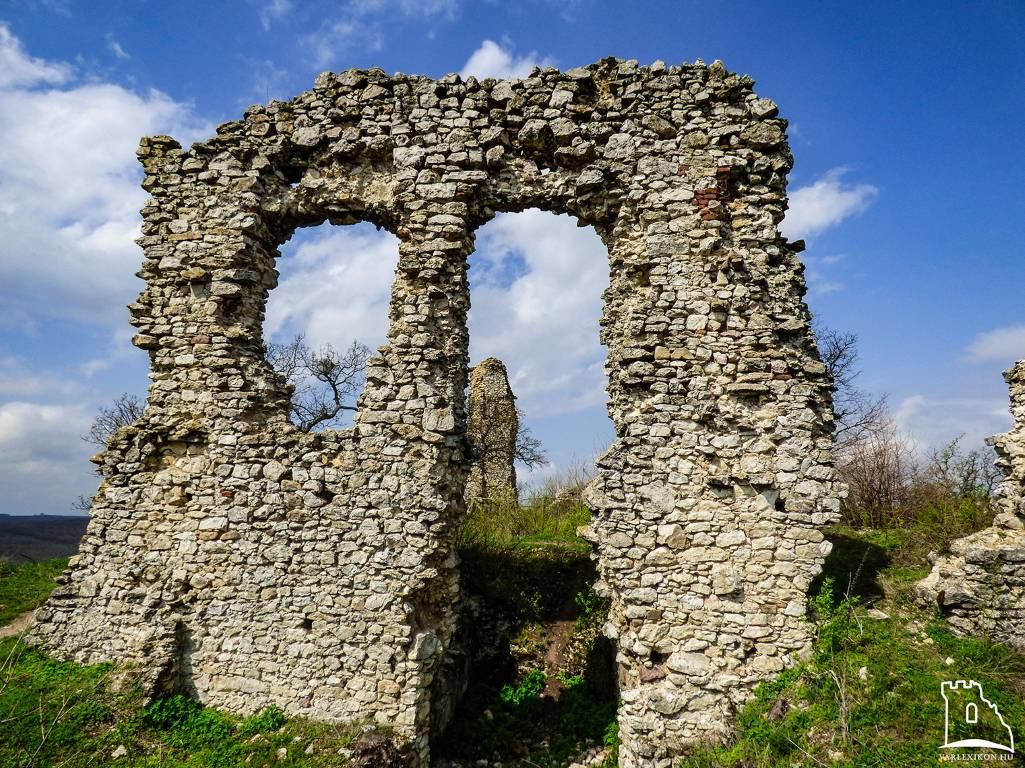
József Viktorin was born in Pozsony in 1822, and in 1866 he was appointed head of the Roman Catholic parish in Visegrád. The parish priest, who by then had already made significant contributions to the fields of history and linguistics, took a keen interest in the Upper Castle, which was in a state of ruin and had been abandoned at the time, and he soon began the associated archaeological excavations, with the assistance of such renowned experts as Imre Henszlmann, János Schulek and Flóris Rómer.
During his time here, which lasted until his death, he had a cross erected in memory of Klára Zách, had the footpath leading from the village to the Citadel on what is now Calvary Hill constructed, had the Calvary Chapel and the Chapel of Our Lady renovated, and Visegrád’s school building would not look as it does today were it not for József Viktorin.
Following in their footsteps, the archaeological excavations began in the first half of the 20th century; these continue to this day, and as a result, Visegrád’s historical past is now an open book, and one of the most important symbols of the Hungarian people’s historical memory.